
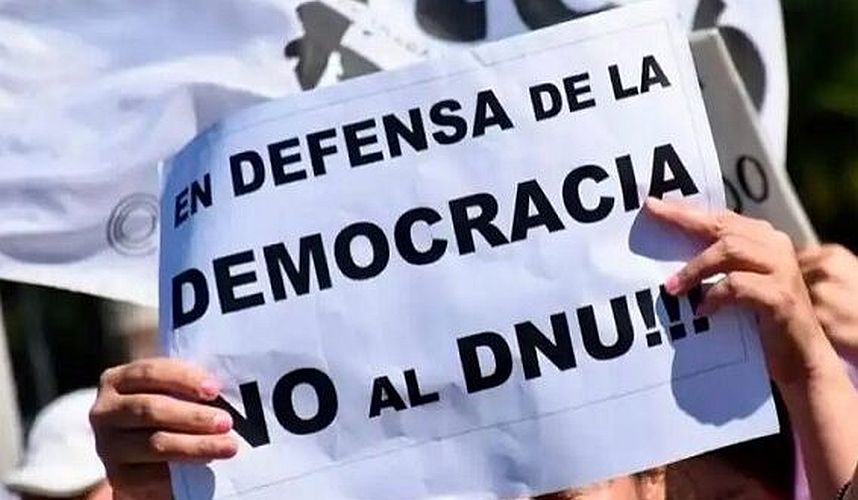
On 29 May 2025 the Argentine government published Decree 366/2025, tightening migration rules: shorter temporary residency validity, proof of means and health insurance requirements, and limits on free access to higher education and public healthcare for non-permanent residents. For refugees and people seeking protection, this creates a stricter and more uncertain environment.
Buenos Aires, Argentina — The government officially adopted Decree 366/2025 to reform migration regulations. Key changes include:
• The validity of the preliminary temporary residency (“precarious” document) is shortened from 180 to 90 days.
• Permanent residency now requires proof of stable means of support, which was not explicitly required before.
• Free access to public healthcare and higher education is no longer guaranteed for foreigners without permanent residency: public hospitals require insurance or payment; universities may charge fees.
• Naturalization becomes more complex: competence shifts from the judiciary to the administration; a new “citizenship by investment” category is introduced.
• Individuals with criminal records or migration violations may be removed more quickly.
For refugees and those seeking international protection, these changes have significant consequences. While the core right to asylum under international law remains, the new regulatory environment complicates access to social rights and long-term integration:
• Employment, studies and healthcare access become more limited without resident status.
• It is unclear how refugees and humanitarian cases will be treated under new categories — insurance and financial requirements may become barriers.
• Delays in status recognition and legal uncertainty can increase vulnerability and limit access to basic services.
Migrant rights organizations express concern, arguing that the reform “restricts key rights for people residing in the country, both regularly and irregularly.”
The new rules will apply to cases filed after publication, while ongoing residency processes should remain under the previous regime until completion.
Overall, Decree 366/2025 signals a policy shift: from a more open approach to stricter regulation focused on control, migrants’ financial self-sufficiency and the protection of public services.
Recommendations for refugees in Argentina:
• monitor your migration status and residency deadlines;
• prepare for potential limits on access to higher education, healthcare and naturalization;
• seek advice from lawyers or NGOs specializing in migrant rights to understand case-specific impacts.